How to keep your motorhome or campervan cool in a UK heatwave
Published:
UK summers are getting warmer, and while motorhomes are built for adventure, they can quickly become uncomfortably hot during a heatwave.
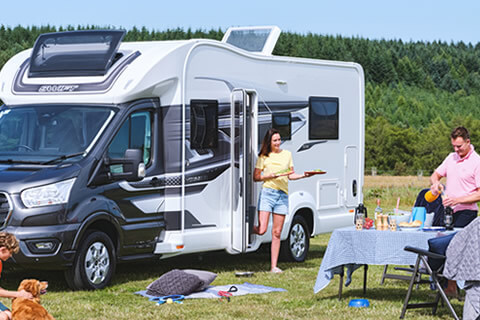
Whether you’re heading to Cornwall, exploring the Lake District, or parked up on the North Coast 500, managing heat properly will make the difference between a relaxing break and a restless one.
Here’s how to keep your motorhome cool, comfortable and safe during extreme UK temperatures.
Parking smart (it makes a huge difference)
Where and how you park your vehicle matters more than most people realise. Even a few degrees’ difference can massively improve comfort inside your motorhome.
- Park with your largest window away from direct afternoon sun
- Use natural shade from trees or buildings (while maintaining ventilation)
- Position your awning to block peak sunlight
- If possible, park facing north or east to reduce prolonged sun exposure
Maximise ventilation - the right way
Airflow is your best free cooling system.
- Open roof vents slightly to allow hot air to escape (heat rises)
- Create cross-ventilation by opening windows on opposite sides
- Use built-in fly screens so you can leave windows open safely
- Run 12V fans overnight for continuous airflow
Tip: Open high vents first, then lower windows to pull cooler air upward.
Use reflective thermal screens
External or internal silver screens reflect heat away before it enters the vehicle. External screens are far more effective because they stop solar gain before it passes through glass. Best areas to cover:
- Windscreen
- Cab side windows
- Skylights
Don’t rely solely on air conditioning
Some motorhomes are equipped with air conditioning systems, but:
- It often requires mains hook-up
- It can draw significant power
- It may struggle in prolonged 30°C+ heat
Air con works best as part of a wider cooling strategy, combine:
- Ventilation
- Reflective screens
- Shade
- Smart cooking habits (see below)
Adjust your cooking routine
Cooking inside during a heatwave can raise internal temperatures quickly, so try:
- BBQ cooking outside
- No-cook meals (salads, wraps, cold pasta dishes)
- Early morning or late evening cooking
Your fridge will also work more efficiently if the motorhome interior stays cooler overall.
Upgrade soft furnishings for summer
Heavy fabrics trap heat - making sleep less comfortable. Even small changes can noticeably improve your comfort. Try switching to:
- Lightweight bedding
- Breathable cotton sheets
- Mesh seat covers
- Removable thermal mats
Check your fridge performance
Absorption fridges (common in motorhomes) rely on ventilation behind the unit, and poor airflow behind the fridge can reduce efficiency dramatically in hot weather. Before a heatwave:
- Ensure exterior vents are clean
- Park fridge side in shade where possible
- Pre-cool the fridge before loading food
- Avoid overfilling
Keep an eye on tyres and engine cooling
Heat affects more than comfort. In hot weather and/or on long summer routes:
- Check tyre pressures regularly (heat increases PSI)
- Monitor coolant levels
- Avoid heavy braking on long downhill stretches
- Take regular driving breaks

"We see more tourers embracing winter getaways each year - not just for the festivities, but for the beauty of the season itself. Whether it's cosy markets or snow-capped mountains, Christmas getaways are moments of connection, warmth, and wonder."
Chris Walker, Head of Marketing at Swift
Stay hydrated and safe
Motorhomes can retain heat overnight.
- Keep water easily accessible
- Use blackout blinds strategically (not all day)
- Watch for signs of overheating in pets
- Never leave pets unattended in direct heat
Should you upgrade for better summer comfort?
Whilst modern motorhomes often come better equipped for changing UK climate patterns, if you regularly tour during summer, it may be worth considering:
- Roof-mounted fans
- Air conditioning
- Awning
- Solar panels to power cooling systems
Frequently asked questions
Do motorhomes get very hot in summer?
Motorhomes can heat up quickly in hot weather because they have large windows and compact interiors. Without ventilation or shading, internal temperatures can rise higher than outside temperatures, especially during a heatwave.
Is motorhome air conditioning worth it in the UK?
Motorhome air conditioning can be worth it if you tour regularly in summer or travel in southern Europe. However, in the UK, many owners manage comfortably with roof vents, fans, shade and thermal screens instead of full air conditioning systems.
What temperature is too hot inside a motorhome?
Anything above 30°C inside a motorhome can become uncomfortable, particularly overnight. For pets, temperatures above 25°C can be dangerous if airflow is limited.
How can I cool my motorhome at night?
Night-time airflow is essential for a comfortable sleep, so try the following:
- Open roof vents to release trapped heat
- Use 12V fans for airflow
- Close blinds before sunset to trap cooler air
- Avoid cooking indoors in the evening
What’s the best time of day to drive in a heatwave?
Driving early morning or later evening is best, avoiding peak afternoon temperatures when engine strain and road surface heat are highest.
Does solar power help keep a motorhome cool?
Solar panels don’t directly cool a motorhome, but they can power roof fans, ventilation systems and 12V cooling devices without relying on mains electricity - ideal for off-grid summer touring.
Can I leave my dog in a motorhome during hot weather?
No, you should never leave a dog or any pets unattended in a motorhome during hot weather. Temperatures can rise quickly even with windows open, creating dangerous conditions within minutes.
Summary
In summary, a UK heatwave doesn’t have to compromise your motorhome holiday, with smart parking, ventilation and preparation, you can stay cool even during extended high temperatures.
Related articles
Towing a caravan in adverse weather
Towing a caravan in challenging conditions like rain, high winds, or snow requires extra care and preparation to protect yourself, your investment and all other road users.

Are motorhomes and caravans warm and suitable during the winter season?
Modern motorhomes and caravans are designed to withstand most weather conditions, but several factors affect winter suitability, including its construction, insulation, heating system, and how you plan to use it during the winter season.