Beginners caravanning: caravan towing laws & speed limits
Published:
Towing a caravan for the first time can feel daunting, especially when it comes to the legal side of things. The good news is that UK caravan towing laws are fairly straightforward once they're broken down. Here’s what beginners need to know before hitting the road.
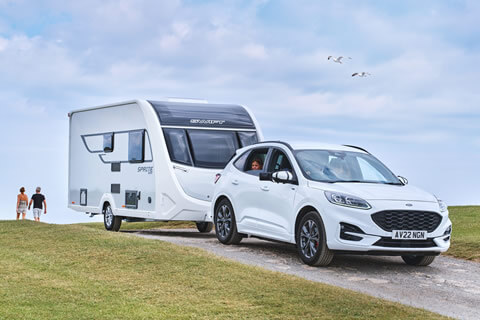
Driving licence rules
- If you passed your driving test after 1 January 1997, you can now tow a caravan up to 3,500kg combined weight without taking an additional test
- If you passed before 1997, you’re usually allowed to tow heavier combinations automatically.
Always check your driving licence categories to be sure.
Speed limits when towing
When towing a caravan in the UK, different speed limits apply compared with driving a car alone:
- Motorways: 60 mph
- Dual carriageways: 60 mph
- Single carriageways: 50 mph
- Built-up areas: 30 mph (unless otherwise signed)
When towing a caravan, you must not use the outside (right-hand) lane of motorways with three or more lanes.
Weight & towing limits
You must stay within:
- Your car’s maximum towing capacity
- Your caravan’s MTPLM (Maximum Technically Permissible Laden Mass)
Exceeding these limits is illegal and unsafe, even if the car ‘feels fine’ while towing. Determining your vehicle’s towing capacity and calculating your caravan/car weight ratio is pretty straightforward and simply involves checking the vehicle’s handbook or weight plate and comparing it with the caravan’s weight. This helps make sure you’re towing safely and legally.

"For many first-time caravan owners, the legal side of towing can seem more complicated than it really is. In reality, once you understand the basics around licence rules, weight limits, and visibility, it quickly becomes second nature. The key is preparation – taking a few minutes to check your setup before every journey helps ensure you’re not only compliant with the law, but also keeping yourself and others safe on the road."
Chris Walker, Head of Marketing at Swift
Mirrors & visibility
When towing a caravan, you must be able to see clearly down both sides of the caravan. If the caravan is wider than your car or blocks your rear view, extended towing mirrors allow you to help see other road users, overtake safely, and reverse with confidence.
- Extended towing mirrors are a legal requirement if the caravan blocks your rear view
- Poor visibility can be dangerous and may result in a fine or penalty points
- Number plates and lights must be clearly visible and working.
Safety & legal essentials
Before setting off with a caravan, it’s important to make sure everything is safe, legal, and properly set up. Carrying out a few basic checks can help prevent breakdowns, improve towing stability, and keep you within the law while on the road.
- The caravan must have a working breakaway cable
- All tyres must be road-legal and correctly inflated
- Whilst caravan insurance is not legally required, it’s strongly recommended to cover damage to your investment, theft, and fire or accidental damage when parked or stored.
Tip: If you’re unsure about weights or setup, many dealers and clubs offer towing checks for peace of mind.
Overtaking
Overtaking while towing a caravan is more restricted than normal driving due to reduced visibility, longer stopping distances, and vehicle length. Many jurisdictions prohibit overtaking on single continuous lines, narrow roads, or where signage forbids it, and towing vehicles are often required to keep left unless passing.
Even when overtaking is legal, drivers must:
- Allow ample space to pass safely
- Avoid cutting back into the lane too early
- Always complete the manoeuvre within legal speed limits
- Do not overtake in dangerous situations, such as on curves, close to junctions, or when visibility is limited.
In some regions, towing vehicles are expected to use slow vehicle turnouts to let traffic pass and double overtaking is usually prohibited. The safest approach is to assume overtaking isn’t allowed unless road markings or signage explicitly permit it.
Summary
Towing a caravan for the first time doesn’t have to be intimidating. By understanding the key UK laws around licences, speed limits, weight restrictions, visibility, and safety checks, you can set off with confidence knowing you’re towing both legally and safely.