What is the average lifespan for a motorhome or campervan?
Published: | Last updated:
If you're interested in buying a motorhome or campervan, naturally, many prospective buyers will ask the same question before committing to ownership: how long will my investment actually last?
It is of course a valid and important consideration. A quality motorhome is a significant investment, and understanding how long it can reasonably serve you helps ensure you get the best value for your money.
While there is no single answer, a well-maintained, high-quality motorhome can often remain in excellent condition for 20 years or more. In many cases, even longer.
Is there an average lifespan for a motorhome or campervan?
With regular servicing, careful driving, and smart seasonal care, a Swift motorhome can remain reliable for more than 20 years. Some owners report using the same vehicle for 25 to 30 years with only routine maintenance and occasional upgrades.
To give a more practical sense of what to expect, certain components will naturally require attention over time. For example, habitation areas, including cabinetry, fittings and soft furnishings, can last two to three decades with proper care. The chassis and engine, when maintained correctly, are often capable of covering 150,000 to 200,000 miles or more.
Tyres typically need replacing every five to seven years, regardless of mileage, due to rubber ageing and potential flat-spotting. Leisure batteries may last around four to six years, depending on how frequently they are used and how well they are maintained. Built-in appliances such as fridges, heaters and water pumps usually perform well for eight to fifteen years, but may benefit from upgrades as technology evolves.
By keeping up with this expected wear and performing timely replacements, motorhome owners can enjoy many years of dependable performance and comfort on the road.
How cost-effective is a motorhome or campervan?
We can calculate an average price per holiday by making a few assumptions and selecting a price. We can base the calculations on the following two vehicles:
Swift Voyager 475 (5 berth)
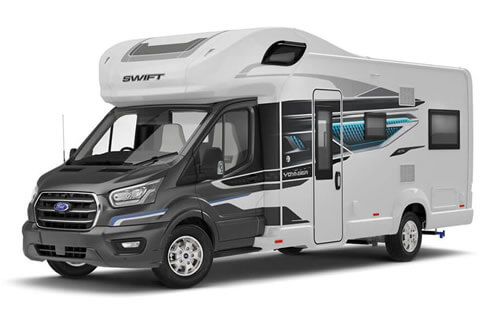
- Cost new - £73,690
- Years of use - 20
- Average holiday/short break per year - 6
- People travelling per holiday - 4
Taking this example we can calculate the following:
20 x 6 = 120
£73,690 / 120 = £614
£614 / 4 = £153
Price per holiday per person: £153
Swift Trekker XF (2 berth)
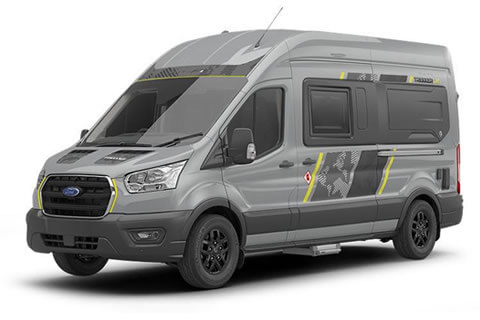
- Cost new - £68,690
- Years of use - 20
- Average holiday/short break per year - 6
- People travelling per holiday - 2
Taking this example we can calculate the following:
20 x 6 = 120
£68,690 / 120 = £572
£572 / 2 = £286
Price per holiday per person: £286
This highlights over the long-term how a new model can be a very cost-effective option, it’s worth noting we haven’t included site fees, tax, insurance, or running costs here but we have also excluded any value of reselling at the end when factoring in depreciation. This calculation is simply to give a broad idea of how to compare the investment of a new motorhome or campervan against existing holidays, and the more you travel per year the lower this number becomes.
What impacts the lifespan?
Exploring an average lifespan with something like a motorhome comes with several key factors that will influence how long a motorhome will remain in good working order:
- Frequency of use
- Quality of construction and materials
- Routine servicing and inspections
- Storage conditions throughout the year
- Driving style and usage patterns
- Mileage and mechanical wear
Usage
How far and how often the motorhome is used will naturally influence its use, for example, most motorhomes and campervan owners average around 4,000 to 5,000 miles which equates to a 20-year lifespan, but if you exceed this consistently you’ll reach that 200,000 mile mark before the 20 years.
This doesn’t affect the value to you if we look at things from a cost-per-holiday perspective though as it would still work out more cost-effective than travelling frequently without a motorhome and paying for hotels.
You might assume that regular use would lead to faster wear, but this is not necessarily the case. In fact, occasional but consistent use is often better than leaving a motorhome idle for extended periods. Vehicles left stationary for long periods are more prone to battery drain and moisture-related issues. That’s on top of classic wear and tear that vehicles face through infrequent use.
Most Swift motorhomes are built on commercial-grade chassis from trusted manufacturers such as Fiat and Ford. These platforms are designed to handle higher mileage and heavier loads compared to standard cars or vans. With responsible use and regular maintenance, it is not uncommon for a motorhome to reach between 100,000 and 200,000 miles in its lifetime.
Environmental
Where you drive your camper has a tremendous impact on lifespan, for example, if you live near the coast, salt can erode parts of your vehicle quickly, or if you live where the winter season is exceptionally cold and you don’t store your motorhome properly, then it’ll be easier for damp to take hold quicker.
That being said, with good upkeep and preventative measures you can largely mitigate your environment, it’s worth being mindful of them and appropriately factoring in how to adapt and take care of your camper.

"Investing time and resources in regular servicing not only extends the lifespan of your motorhome but also ensures your safety, preserves its resale value, and minimises its impact on the environment."
Chris Walker, Head of Marketing at Swift
Quality of construction
Arguably, the most important factor in long-term durability is the quality of the motorhome’s construction. Materials, design methods and build quality all come into play.
All Swift coachbuilt motorhomes are built with SMART Construction which guarantees enhanced structural integrity, improved insulation and all-important weather resistance - ensuring your motorhome will stand the tests of touring and help retain your motorhome’s residual value. The bodyframe of Swift motorhomes are timberless and instead use ‘PURe’ a tough, hard polyurethane based product that is totally impervious to water.
Every new Swift motorhome is backed by a 6 year bodyshell integrity warranty for the first registered owner. This warranty is a mark of confidence in the quality and longevity of our products.
Servicing
Getting your motorhome professionally serviced annually is critical for the longevity of any motorhome, and with purchasing a new Swift motorhome or campervan, it also ensures you maintain your warranty.
We highly recommend you have your Swift serviced by a Swift Group Approved Service Centre because they have direct access to our online customer service system and it gives you peace of mind that everything is running smoothly. We have an extensive servicing network and you can find your nearest service provider.

Servicing helps keep the mechanics of your motorhome maintained, but if you’d like to do your additional checks, here are some recommended areas to keep an eye on. This should not be in place of a professional service and please refer to the official warranty for your vehicle to keep it maintained:
- Engine cleaning (air & oil filters)
- Fluid replacement
- Oil changes every 4,000 to 5,000 miles
- Regular tyre tread checks and replace every 4,000 to 5,000 miles
- Check the brake pads for signs of wear
General care (when in use)
It cannot be understated how impactful regular care is, especially when using your camper. General care means keeping your motorhome in consistently good condition, mainly through regular cleaning and upkeep, some of our key recommendations for general care are:
- Wash the exterior after every use, especially the roof which can be overlooked
- Clean the shower after every use and bathroom at the end of each trip
- Lubricate all slide-out apparatus like awnings every few trips
- Thoroughly clean the windscreen and check for any cracks (repair immediately)
- Regularly use toilet chemicals and correct toilet paper
- Keep all cooking appliances regularly cleaned after each use
- Clean the window seals then lubricate
- Regularly top up the tyre pressure
- Empty the black tank when it reaches ¾ full
Preventive maintenance is always more cost-effective than reactive repairs.
Seasonal care (when not in use)
How you take care of a motorhome through the winter or when not in use can impact the lifespan as much as when it’s used, it becomes easier for damp to build and for the cold weather to adversely impact your vehicle if it’s not stored properly. Taking the following actions can ensure it’s tip-top when you dust it off in Spring:
- Store inside or under a shelter or invest in a quality all-over cover. (Swift coachbuilt motorhomes are built with SMART construction, and so this isn’t a requirement unless you are storing the motorhome in particularly harsh winter conditions)
- Drain all tanks (to prevent pipes bursting)
- Disconnect the battery and store it somewhere warm
- Check for small holes or leaks and fix them before storing
- Use a damp catcher to limit moisture build-up over months
- Apply anti-freeze to all tanks and drains
- Thoroughly clean interior and exterior
Common causes of premature wear
Understanding what can shorten the life of your motorhome is key to avoiding unnecessary damage. Common issues include:
- Water ingress from damaged or aged seals
- Lack of servicing or infrequent inspections
- Improper winter storage or long-term outdoor exposure
- Overloading the vehicle beyond its recommended weight
- Tyre degradation from underinflation or prolonged parking
Addressing these areas early helps prevent long-term damage and keeps your motorhome performing at its best.
Motorhome class
What berth motorhome you need will largely dictate the class you end up with, classes indicate the style and size motorhome and are graded A, B and C, they look like this:
- Class A - Large fully integrated motorhomes
- Class B - Campervan conversions/panel vans
- Class C - Coachbuilt motorhomes smaller than class A
In general, larger vehicles can have slightly shorter lifespans simply because of wear and tear on fundamental working parts like tyres, suspensions, brakes etc., which all come under more pressure over time, but with good care, some of these can be offset. Conversely, a Class B Campervan could exceed the average for the opposite reasons.
Environmental benefits of long-term ownership
Motorhomes that are well maintained and used over many years can be a more sustainable travel choice. By extending the life of your vehicle, you reduce the need for manufacturing new ones and help minimise resource consumption.
Swift’s commitment to durable construction and energy-efficient production methods reflects our focus on long-term environmental responsibility. A longer lifespan not only benefits your budget, but also supports a more sustainable lifestyle.
Summary
How long your motorhome or campervan lasts depends on a combination of build quality, usage, maintenance and care. Swift motorhomes are built to offer years of reliable touring with SMART construction, quality components and comprehensive warranties to support your ownership journey.
The more it’s used the more value you squeeze from it, and regular care can prolong your motorhome beyond the average. Ultimately, motorhomes are vessels to facilitate incredible holidays and make terrific memories. Still, they do increase the ease and frequency you can holiday over time which is fantastic value for money.