Where can I park my campervan in the UK?
Published: | Last updated:
Owning a campervan gives you the freedom to explore the UK on your terms - but knowing where you can legally park overnight is essential.
Rules vary depending on location, land ownership and local councils. In this guide, we break down exactly where you can (and can't) park your campervan, along with practical tips to help you avoid getting into trouble and travel with confidence.
Can I legally park a campervan overnight in the UK?
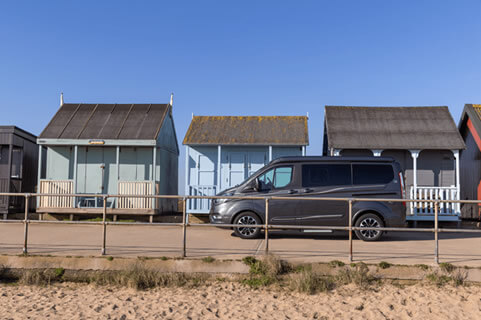
Yes - but with important restrictions. You can legally park a campervan overnight in many places, provided:
- You are parked legally (not blocking roads or violating signage)
- You are not 'camping' (e.g. no awnings, chairs or cooking outside)
- You follow local council regulations
The key rule is that parking is often allowed - camping usually isn't.
Can I sleep in my campervan anywhere?
No, not everywhere. Technically, no explicit national laws stop you from sleeping in your campervan overnight while parked on a public road but that said, some streets in the UK can be subject to local regulations.
You can sleep in your campervan:
- On public roads (if legally parked)
- In designated motorhome areas
- On private land (with permission)
- At campsites and holiday parks
You cannot:
- Stay where overnight parking is prohibited
- Camp on land without permission in most of England and Wales
Where can I park my campervan in the UK?
The safest and most reliable option is a campsite or holiday park. Benefits include:
- Facilities (toilets, showers, electric hook-up)
- Legal peace of mind
- Suitable for longer stays
Designated motorhome stopovers are increasingly popular across the UK and these include pub stopovers and farm stays.
Public car parks
Public car parks are also generally covered by Traffic Regulation Orders which vary across the UK. Some councils allow overnight parking - but always check signage carefully. Restrictions may include:
- Height barriers
- No overnight stays
- Time limits
Laybys and roadside parking
You can often stop in laybys for rest breaks, but always:
- Avoid staying multiple nights
- Do not set up camping equipment
- Check for local restrictions
Private land (with permission)
Another great option, and this is often how 'wild camping' is done legally across the UK. Examples include:
- Farms
- Pub car parks
- Landowner agreements
What is wild camping?
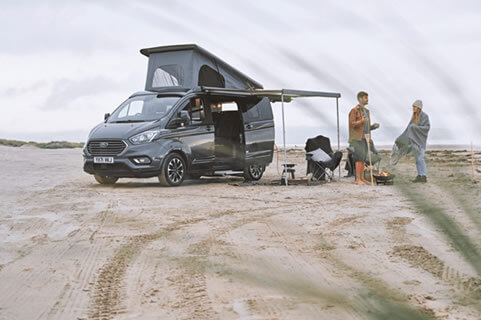
Wild camping refers to the practice of camping in natural or remote outdoor locations that are not traditional campsites or designated camping areas. It typically involves setting up a camp in more secluded, unregulated, and less developed environments, often in the wilderness, woods, mountains, or by the shore.
What are the rules about wild camping in a campervan?
It might seem feasible to find a field and set up home for the night, but this is rarely legal. You’ll likely be trespassing on private property and could cause a lot of inconvenience to the owner if they need to access where you’re staying.
The rules and regulations regarding wild camping in a campervan can vary widely depending on the country, region, and specific area you plan to visit.
It's crucial to research and understand the specific regulations in the area where you plan to engage in wild camping in your vehicle. Always follow local laws, respect the environment, and be a responsible camper to ensure that wild camping remains an option for you and future campers.
Where can't I park my campervan?
Avoid these situations:
- Areas with 'No Overnight Parking' signs
- Private land without permission
- Nature reserves or protected areas
- Residential streets (if causing obstruction or complaints)
Fines and enforcement are becoming more common in tourist hotspots.
Parking in motorway services
In the UK, it is generally not permitted to sleep or camp at motorway services as they are designed for short stops, such as refuelling, using bathroom facilities, and grabbing a quick meal or refreshments. Most motorway service areas have signs indicating that overnight sleeping or camping is not allowed, and they are typically monitored by security personnel to enforce this rule.
Tips for parking your campervan safely overnight
Select a parking spot that is legal and conforms to local regulations. Look for designated campsites, rest areas, or areas where overnight parking is allowed.
Whenever possible, park in well-lit areas. Good lighting enhances security and discourages potential intruders.
While wild camping can be a great experience, it's often safer to park in areas with other campers, such as established campgrounds or camping parks. Isolated spots can be more vulnerable to security risks.
Always lock your campervan's doors and windows before going to sleep. Consider additional security measures like motion-activated lights, alarms, or steering wheel locks to deter potential thieves.
Cover windows with blinds or curtains to maintain privacy and keep the interior of your campervan concealed.
There are a number of different apps available that can help you find overnight parking spots, aside from standard campsites, including Park4night, Brit Stops and others.
For established campsites, The Camping and Caravanning Club and the Caravan and Motorhome Club have thousands of campsites listed on their websites.
If you are parking up when travelling, you can avoid fines or complaints by:
- Arrive late, leave early
- Avoid setting up outside your van
- Respect local communities
- Always check signage
- Have a backup location planned

"Safety should be your top priority when parking your campervan overnight. If you're unsure about the safety of a particular location, it's better to choose a more secure option, like a dedicated campsite. Additionally, be respectful of the environment you visit, and leave no trace of your presence."
Chris Walker, Head of Marketing at Swift
Storing your campervan
If you don’t plan to use your campervan for a sustained period of time, for example throughout the winter, then storing your vehicle in a secure storage facility can be a practical and safe option.
Campervan storage facilities typically offer a range of services and amenities designed to securely store and protect your campervan when it's not in use.
Check out our guide to storing a leisure vehicle.
Do I pay road tax for a campervan?
As your campervan is a motorised vehicle, you will need to pay road tax just like you do a car. The rate of tax is based on the vehicle’s revenue weight (also known as maximum or gross vehicle weight).
Your campervan will also require an MOT every year if it’s over three years old and there is a legal requirement to insure your vehicle.
Summary
In summary, despite no explicit national laws here in the UK around parking or sleeping in vehicles on public streets, you must adhere to local authority regulations and camping restrictions.
Whilst you are on the road, try to park at a campsite or designated camping areas. Back home, when you require to park up for periods of time, it’s best to keep it on your drive, or check that your street allows you to park overnight. For longer periods of inactive use, consider storing your campervan in a secure storage facility to ensure your investment is secure and protected in a safe environment.
Related articles
What is a pop-top campervan and the benefits of them?
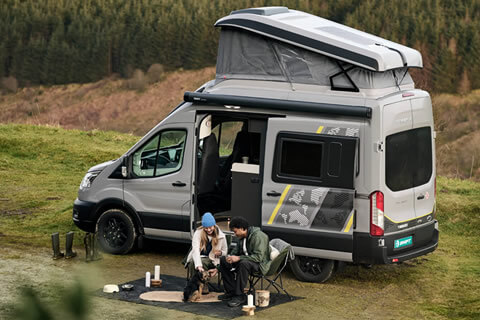
Pop-top campervans feature a collapsible roof section that can be raised to create additional headroom and sleeping space, making them compact and versatile.
Introducing the all-new Swift Merlin to the 2027 campervan line-up
Swift welcomes the all-new Merlin to its 2027 season range - a versatile campervan designed for seasoned outdoor lovers and spontaneous adventurers alike.