Beginners caravanning: a guide to visiting your first campsite
Published:
Setting off on your first caravanning adventure is an exciting step, but it can also feel a little daunting. From choosing the right campsite to knowing what to expect when you arrive, there’s a lot to take in as a beginner.
This guide will walk you through the essentials, helping you arrive prepared, confident, and ready to relax.
What to look for when choosing a campsite
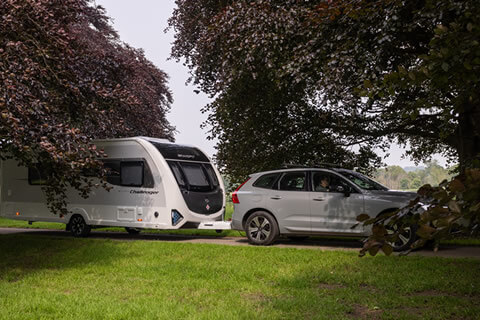
Choosing the right campsite for your first caravan trip can make all the difference. A well-run, beginner-friendly site helps reduce stress and lets you focus on enjoying the experience rather than worrying about setup or rules.
Look for a site with clear layouts and good access:
- Clearly marked pitches
- Wide access roads
- Easy-to-find reception
Avoid sites with very tight access or steep, uneven terrain until you’ve built confidence.
Check the pitch type - hardstanding pitches are ideal for beginners as they:
- Make positioning and levelling easier
- Reduce issues in wet weather
- Provide a stable surface for awnings
Facilities matter - good beginner sites usually offer:
- Clean, well-maintained toilet and shower blocks
- Clearly marked waste and water points
- On-site wardens or staff - having help nearby can be reassuring on your first trip.
Find reviews from other caravanners that mention:
- Friendly staff
- Easy arrival process
- Quiet atmosphere
- Clear instructions
Beginner experiences are often more useful than expert opinions at this stage.
Location vs Simplicity - for your first trip, it’s often better to:
- Stay closer to home
- Choose a shorter drive
- Prioritise ease over scenery
You can always go further afield once you’re more confident.
Tip: ring ahead and if they have a check-in procedure to follow - this will avoid any hidden surprises - don’t be afraid to ask questions.
Full-service vs basic pitches: what’s the difference?

When booking a campsite, one of the first decisions you’ll face is choosing between a full-service pitch and a basic pitch. Understanding the difference helps you pick the right option for your experience level.
A full-service pitch usually includes:
- Electric hook-up
- Fresh water tap
- Grey water drainage point
Everything you need is right next to your caravan, making setup quicker and simpler.
A basic pitch may offer:
- No services at all, or
- Electric hook-up only
Water points and waste disposal areas are often shared elsewhere on the site, ask for their locations when you check-in with reception.
For first-time caravanners, full-service pitches are often the best choice because:
- There’s less equipment to manage
- Fewer trips carrying water
- Reduced setup stress
Although they cost more, many beginners find the convenience worth it.
Basic pitches can be a good option if:
- You’re confident with water and waste handling
- You want to keep costs down
- You’re staying for a short break
Many experienced caravanners prefer them for flexibility.
Tip: if you’re unsure, start with a full-service pitch. You can always try a basic pitch later once you understand how everything works.

"For first-time campers, choosing between a full-service and a basic pitch really comes down to the kind of experience you want. A full-service pitch gives you the convenience of electricity, water and drainage right at your spot - ideal if you’re easing into camping or travelling with family."
Chris Walker, Head of Marketing at Swift
Campsite etiquette for beginners
Campsites are friendly places, but there's an unspoken code of behaviour that helps everyone enjoy their stay. Understanding basic campsite etiquette will help you feel more confident and welcomed.
Most campsites have designated quiet times, often:
- Late evening
- Early morning
Keep music, conversations, and vehicle movement to a minimum during these hours.
Where possible stick to your pitch:
- Don’t walk or drive across other people’s pitches
- Keep your awning, chairs, and equipment within your allocated space
This is one of the most common beginner mistakes.
Drive slowly - campsites are shared spaces with:
- Children
- Pets
- Pedestrians
Always observe site speed limits and drive cautiously.
Be considerate with shared facilities:
- Leave washrooms clean and tidy
- Don’t block service points
- Dispose of waste properly
Be friendly but not intrusive - a smile or wave is normal, but:
- Respect privacy
- Avoid walking through others’ setups
- Don’t assume people want company
Campsites balance friendliness with personal space.
What to do when you arrive on site: a beginner’s arrival routine
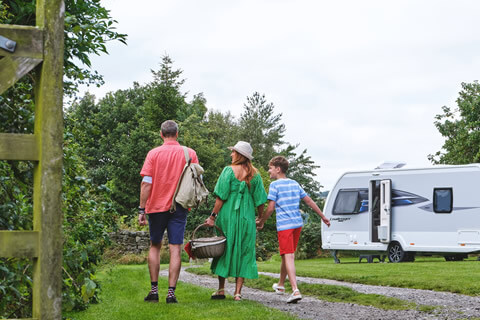
Arriving at a campsite for the first time can feel overwhelming, especially if others are watching, but having a simple arrival routine helps keep things calm and organised.
Step 1: Check in
Park safely near reception and:
- Confirm your booking
- Receive pitch number and site map
- Ask any questions about services or rules
Don’t rush - staff are used to beginners.
Step 2: Find your pitch
Drive slowly and:
- Follow site signage
- Take a moment to assess space and angle
- Check where services are located
- If unsure, stop and ask for help.
Tip: if possible, arriving at your campsite during daylight hours makes it easier to set up safely, choose a suitable spot, and get familiar with your surroundings.
Step 3: Position the caravan
- Line up the caravan carefully
- Reverse slowly onto the pitch
- Use a guide if possible
If it goes starts to go wrong, pull forward and reset - no pressure.
Step 4: Secure and level
- Apply the handbrake
- Unhitch the caravan
- Level side-to-side and front-to-back
Levelling improves comfort and appliance performance.
Step 5: Connect services
- Electric hook-up
- Water connection (if available)
- Waste pipes or containers
Always follow any campsite safety instructions.
Step 6: Settle in
Once connected:
- Put kettle on
- Take a breath
- Finish setting up at your own pace
Summary
Every caravanner was once a beginner. Take your time, ask questions, and remember - the arrival is the hardest part, and it gets easier every time.