How much does a motorhome or campervan cost?
Published:
Owning a motorhome or campervan is one of life’s greatest freedoms - the open road, spontaneous weekends away, and the joy of discovering new places at your own pace.
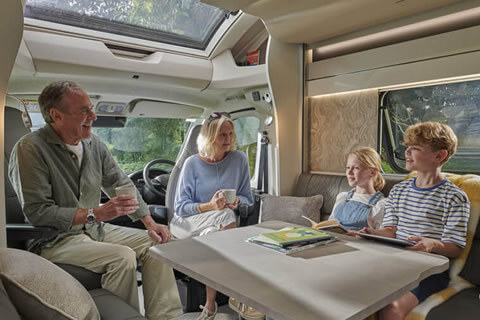
But while the lifestyle is rich in experiences, it’s also important to go in with your eyes open to the financial side of ownership and if you’re thinking of buying a motorhome (or simply want to understand where your money’s going), this guide breaks down the key costs - and offers smart, practical ways to manage them.
Upfront costs: the big purchase
The biggest expense, of course, is buying your motorhome or campervan. Prices vary - from around £68,690 to £83,290 for a new Swift campervan, and £71,390 to £120,990 for a new Swift motorhome.
Buying a new leisure vehicle gives you the peace of mind of a full warranty and access to the latest technology, and while new vehicles do experience their biggest drop in value in the first few years, many buyers see this as the cost of enjoying the newest features from day one.
Choosing a used campervan or motorhome - often just 2 or 3 years old can help reduce your initial outlay, while still offering modern comforts and a well-maintained, nearly new driving experience.
Motorhomes and campervans can be financed in a variety of ways, with specialist lenders, brokers and mainstream finance houses all offer products tailored to this market. The precise options, pricing and eligibility will depend a lot on your circumstances such as the vehicle value, your age, credit score, and how long you want the term.
Tip: Shop out of peak touring season, demand can reduce during the autumn and winter and you’ll often find better deals.
Annual running costs: the essentials
Every prospective owner requires an understanding of the typical running costs a motorhome or campervan involves, from fuel to insurance, and road tax to site fees - but with the right expectations and planning, they’re completely manageable.
Here's a breakdown of what you can expect to spend each year:
Insurance: Motorhome insurance varies based on factors like vehicle value, size, security, and your driving history, so it’s important to compare policies to find the right level of cover for how and where you travel.
Road tax: Annual road tax depends on your motorhome’s weight, emissions, and registration date, and typically ranges from moderate to high for larger models.
MOT & servicing: Most motorhomes require an annual MOT and routine servicing, which together can cost a few hundred pounds each year depending on the vehicle’s age and complexity.
Fuel: Fuel costs can add up quickly, with annual spending depending on your mileage, but many owners can estimate their budget by multiplying expected miles by their motorhome’s average MPG.
Campsite or hook-up fees: Overnight stays and hook-ups can vary widely in price depending on the season, location, and amenities, with peak holiday periods and popular regions typically costing more.
Repairs & maintenance: As with any vehicle, you can expect the odd unexpected repair, and replacing worn tyres or replacing leisure batteries is all part of ongoing maintenance, but setting aside a yearly contingency fund helps avoid unwelcome surprises.
Storage fees: If you can’t keep your motorhome or campervan at home, on a driveway for example, storage costs will apply, and secure off-site facilities charge monthly or annual fees based on the level of security offered.
Additional costs: what to budget for after buying
After purchasing, it’s important to remember that the initial price can only be part of the overall investment, if you want to purchase various optional extras - from essential gear and accessories to additional equipment. By understanding what to expect beyond the purchase itself, you can plan any optional requirements more accurately.
Accessories: Extras such as awnings, cycle racks and tow bars can greatly enhance your motorhome experience, so it’s worth prioritising the ones you’ll actually use regularly.
Upgrades: Optional upgrades such as solar panels, air suspension, or a hydraulic automatic self-levelling system can improve comfort and convenience.
Equipment: Essential equipment like microwaves, kitchen tools, and bedding makes your motorhome feel like home, and budgeting for quality items ensures both practicality and durability on the road.
Cleaning and safety equipment: Regular cleaning and safety gear such as fire extinguishers, first aid kits and wheel locks all help maintain your motorhome’s condition and protect your investment.
Security: Subscriptions to tracking and security systems, such as the Swift Command Tracker by Sargent, provide peace of mind, but they come with ongoing annual fees that should be factored into your budget.

"When people ask how much a motorhome costs, it's not just a purchase - it's an investment in years of adventure. A good tip for first-time buyers is to list out the features you must have versus those that are 'nice to have', it keeps your budget on track and helps you choose a model that fits your lifestyle without paying for extras you won’t use.
Chris Walker, Head of Marketing at Swift
How to manage (and reduce) costs
Staying on top of routine maintenance helps prevent costly repairs down the line, keeping your motorhome or campervan in good condition and reducing the risk of unexpected breakdowns. Tackle small jobs yourself - cleaning, checking tyres, or replacing bulbs can save on labour costs while giving you a better understanding of your vehicle.
Memberships in organisations such as the Caravan and Motorhome Club often provide discounts on campsites, fuel and insurance, making them a smart way to reduce annual costs. Smartphone apps can also help you locate cheaper fuel stations, discounted campsites, or free overnight parking, helping you trim day-to-day expenses on the road.
Reviewing and comparing insurance policies each year ensures you’re getting the best coverage at the most competitive price - loyalty doesn’t always guarantee the best deal and switching providers can lead to significant savings.
Planning a realistic budget
Creating a realistic budget is essential, start by deciding on a framework that works for you - monthly, per-trip, or annual budgeting can all be effective depending on how often you travel. Breaking down costs in this way makes it easier to see where your money is going and plan accordingly.
For example, if you travel regularly throughout the year, it helps to estimate your total expenses for fuel, maintenance, insurance, and campsite fees. Breaking this down by season or by individual trips can make budgeting feel more manageable and easier to track.
Tracking your spending is key to staying on budget - use a spreadsheet or budgeting app, just as you would for household bills, which can help you monitor costs in real time and adjust plans if necessary. By planning ahead and keeping records, you can enjoy your adventures with confidence, knowing you’re in control of your finances.
Summary
With careful preparation and a smart approach to spending, you can enjoy every adventure without financial stress. Plan ahead, keep up with regular maintenance, and remember: the freedom of the open road is worth every penny.