Beginners caravanning: touring abroad with a caravan
Published:
Taking your caravan abroad can be an incredible experience, offering more freedom, longer stays, and a taste of European touring culture. With some preparation, it’s not as daunting as it might first seem.
Can beginners enjoy touring abroad?
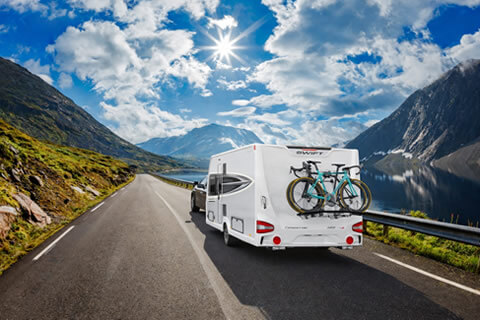
Yes - touring abroad with a caravan can absolutely be right for beginners. You don’t need years of experience to enjoy your first overseas trip, as long as you plan ahead and take things at a comfortable pace.
- Have some towing experience
- Plan shorter routes
- Choose well-equipped campsites
- Learn basic road rules for destination
Tip: Start with northern France, Belgium, or the Netherlands - short crossings and excellent campsite infrastructure make them ideal first trips.
Documents you’ll need
Before setting off, it’s important to make sure you have all the correct paperwork with you - having these documents organised will help avoid delays, fines, or problems at borders and campsites.
- Passport (with sufficient validity)
- Vehicle log book (V5C)
- Insurance documents (car and caravan)
- Travel insurance
- Driving licence
Print or download confirmations for campsites, ferries, Eurotunnel, and any overnight stops. If your caravan is registered with CRiS (Caravan Registration & Identification Scheme), take this document with you as proof of ownership.
A Green Card is an international motor insurance certificate that proves your vehicle is insured when driving abroad. While not always required in EU countries, some non-EU destinations still demand one. It’s free from most insurers but must be requested in advance.
Caravan preparation
A well-prepared caravan and towing vehicle are key to a safe and worry-free trip. Before you leave, service both your caravan and car to make sure everything is roadworthy. This includes checking:
- Brakes
- Lights and indicators are fully functional
- Any connections between the car and caravan
- Tyre pressure and treads
- Fluid levels
- Caravan’s hitch and stabilisers
- Mirror extenders provide good visibility
Pack essential spares, tools, and an emergency kit. Even small issues like a blown bulb or a flat tyre can delay your trip if you’re unprepared. A basic toolkit, spare bulbs, wheel chocks, and a first aid kit can make all the difference.
Your vehicle must display a UK identifier when driving abroad. Most UK number plates now include a “UK” identifier, which replaces the old “GB” sticker. If your plate doesn’t have this, you’ll need to display a UK sticker on the rear of your vehicle or caravan. Failure to do so can result in on-the-spot fines in some countries.
Breakdown cover
Before leaving the UK, make sure your breakdown cover includes European or international assistance as standard UK-only policies won’t help if you break down abroad.
Check that your policy covers recovery to a local garage, onward travel, accommodation if you’re stranded, and repatriation of your vehicle if repairs can’t be made quickly. It’s also important to confirm that your caravan is explicitly included, as some policies only cover the towing vehicle and exclude any trailers by default.
Breakdown assistance abroad may be provided by local contractors. Response times, equipment, and communication standards can vary widely by country. Look for a policy that offers an English-speaking helpline and 24/7 support.
Some European countries have legal requirements
When touring abroad with a caravan, it’s important to know that some European countries have specific legal requirements for vehicles and caravans. These can include carrying certain safety items in your car, such as:
- Headlamp beam deflectors
- A warning triangle
- High-visibility vests
- UK identifier on the vehicle
- Spare bulbs (in some countries)
Before you travel, always check the exact requirements for each country you’ll be driving through or staying in. Being properly equipped helps you avoid fines, delays, and unnecessary stress - and ensures your trip starts and continues smoothly.

"We’re seeing more people than ever consider taking their caravans abroad for the first time. With well-equipped campsites, excellent road networks, and short crossings to mainland Europe, it’s a natural next step for many UK tourers looking to expand their adventures."
Chris Walker, Head of Marketing at Swift
Towing rules vary by country
Towing rules do vary by country, and it’s important to be aware of these differences before you travel. While many rules are similar across Europe, each country can have its own limits and regulations for vehicles towing caravans.
- Speed limits differ
- Some countries require additional mirrors or signage
- Toll roads may charge extra for caravans
Planning your route
When touring abroad for the first time, careful route planning can make the experience much more enjoyable. Start with shorter drives each day so you can get used to towing in different countries and avoid feeling rushed or fatigued.
Even if your overall destination is far, breaking the journey into manageable legs makes the trip less stressful and gives you time to enjoy the scenery along the way. Plan your overnight stops and campsites in advance, knowing where you’ll stay each night removes the worry of searching for a pitch after a long drive, especially in busy or unfamiliar areas.
It’s also important to check roads, tolls, and border crossings along your route, some European countries have toll roads or vignettes that need to be purchased in advance. Border crossings may require documentation checks, so allow extra time for these. Mapping out your route with these factors in mind helps ensure a smoother, stress-free journey.
Campsites abroad
Choosing the right campsite can make a huge difference to your first caravan trip abroad. The good news is that many European campsites are extremely well set up for caravanners, with spacious pitches, modern facilities, and clear check-in systems.
For beginners, it’s best to look for well-equipped campsites with electric hook-ups, clean toilet and shower blocks, and clearly marked pitches. Those with easy access roads, level pitches, and good signage, takes a lot of stress out of arriving and setting up. Reading recent reviews can help you spot sites that are especially beginner-friendly.
It’s also a good idea to book your first campsite in advance, particularly if you’re arriving after a long drive or a ferry crossing. Knowing exactly where you’re staying on your first night helps you relax and enjoy the journey.
Tip: Arrive at campsites early, this gives you time to check in, choose a good pitch, and set up in daylight.
What food and drink can you take
When entering the EU from the UK, you generally cannot take meat, milk, cheese, yoghurt, or products containing them. This includes sandwiches made at home. Border officials can confiscate these and issue fines in some countries.
Rather than trying to take large quantities from the UK, many tourers find it simpler to travel light and stock up after arrival. Supermarkets across Europe are well equipped for tourists and often cheaper than UK prices.
Small quantities of baby food or special medical foods are sometimes allowed if needed for the journey, but they must be unopened and clearly for personal use. It’s best to carry only what you need for the crossing and buy supplies after arrival.
Food rules are enforced most strictly at ports, the Channel Tunnel, and major border crossings. Inspections can be random, and officers are trained to check fridges and cupboards in motorhomes and caravans.
Alcohol and tobacco are allowed within personal allowance limits, but exceeding them can lead to fines or confiscation. Check current customs rules before you pack your fridge or cupboards.
Gas bottles and compatibility
Gas connections and bottle fittings vary across countries, and UK bottles often can’t be exchanged abroad. Many experienced tourers carry a set of European adaptors so they can connect to different systems when refilling or hooking up.
If you’re staying abroad for an extended period, consider using a refillable LPG system, which works widely across Europe. Always secure bottles properly and check regulations for transporting gas on ferries and trains.
Maximum stay periods
Most first-time tourers assume they can stay in Europe for as long as they like, but immigration limits apply even if you’re travelling in your own vehicle.
For UK passport holders, the key rule is the Schengen 90/180 rule. This allows you to stay in the Schengen Area for up to 90 days in any rolling 180-day period. This is not per country and not per trip - it’s a cumulative total across all Schengen countries. Days spent in France, Spain, Italy, Germany, and most of mainland Europe all count towards the same 90-day limit.
The ‘rolling’ nature of the rule often catches people out. It means that on any given day, border authorities can look back over the previous 180 days and count how many days you have been in the Schengen Area. If the total exceeds 90, you are overstaying, even if you left and re-entered several times.
Overstaying can result in fines, being asked to leave immediately, or receiving an entry ban that affects future travel. In some countries, it can also cause problems when exiting, delaying ferry or flight departures.
Some European countries are outside the Schengen Area and have their own separate limits. For example, Croatia (before joining Schengen), Romania, Bulgaria, Cyprus, and Ireland historically had separate rules, although this can change. Time spent in non-Schengen countries may not count towards your Schengen total, but you must still respect their individual visa limits.
If you plan to tour for more than 90 days, you may need a long-stay visa for a specific country. These must usually be applied for in advance from the UK and often come with conditions such as proof of income, health insurance, and a fixed address.
Do not rely solely on passport stamps. Keep a written or digital log of entry and exit dates, and use an official Schengen calculator to track your remaining days. This is especially important if you cross borders frequently. If anyone in your party holds a non-UK passport, their stay limits may be different - always check the rules for each traveller individually.
Choosing your first destination
For your first trip towing a caravan overseas, the best destinations are those that are close to the UK, easy to drive, and well set up for touring. Northern France is often the top choice - it’s just a short ferry or Eurotunnel crossing away, the roads are familiar, and there’s a huge choice of well-equipped campsites. Regions like Normandy and Brittany let you settle in quickly without long driving days, making them ideal for building confidence.
If you want something just as easy but a little different, the Netherlands and Belgium are both excellent options. The Netherlands is especially beginner-friendly thanks to its flat roads, highly organised campsites, and widespread use of English. Belgium, meanwhile, offers a great mix of countryside and culture in a compact area, making it perfect for a shorter break or a first 'test run' abroad.
Once you feel more comfortable towing on the continent, you can start to venture a little further. Western Germany, particularly the Rhine or Moselle regions, offers stunning scenery alongside excellent roads and facilities, making it a natural next step. Longer trips - such as heading down to northern Spain are certainly achievable, but are usually better saved for when you've gained a bit more experience, as they involve more planning and longer driving distances.
Summary
Touring abroad with a caravan for the first time can be a thrilling and rewarding experience, giving you the chance to explore new countries at your own pace. With a little preparation from planning your route, choosing beginner-friendly campsites and having the right documents - every journey is a chance to gain confidence, create memories, and discover the joy of caravan touring abroad.